
“During a seizure, your dog is unaware of their surroundings and cannot respond to you.”
Mon / Fri 7:30 am - 7 pm | Sat 9 am - 4 pm
Mon / Fri 7:30 am - 7 pm | Sat 9 am - 4 pm
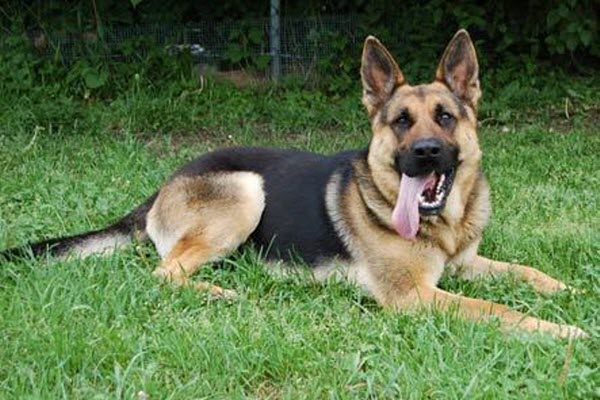
As a busy mobile vet, I often get phone calls from distressed clients when their dog is having a fit.
A bit of advance knowledge can be really useful – so here’s my guide to seizures or ‘fits’ in dogs.
How do I know if my dog is having a fit?
A fit or generalised seizure can be a very frightening experience for both you and your dog.
With a full-blown fit your dog will collapse on the floor and shake all over. His limbs will often move as if he is paddling underwater, but they can also be rigid and tremble.
During the fit, your dog won’t respond to your voice or touch – he is totally unaware of what is happening around him. You might find your dog wee or poos on the floor during the fit, and he may howl.
“During a seizure, your dog is unaware of their surroundings and cannot respond to you.”
He or she will not be able to remember what happened and will feel a bit confused and disoriented. Some dogs can even be aggressive.
We find owners are very reassured when our vet arrives at their home! The first part of our assessment is a detailed consultation.
We ask you lots of questions about how your dog has been over the past few months. What we are looking for here is any underlying health problems that might have caused the seizure.
We perform a full health check, and we will do blood and urine tests on the day or after a couple of days, once your dog has fully recovered.
Once we have the results of all our tests, our mobile vet will recommend whether your pet needs medication to manage their condition. In mild cases, mediation might not be the right choice; in moderate to severe cases, it can be life-saving.
“Prolonged or repeated seizures are serious and require urgent veterinary attention.”
In young dogs, seizures are most often caused by epilepsy. Certain breeds suffer more than others; for example, German Shepherd Dogs are overrepresented.
Epilepsy is a disturbance of the normal electrochemical activity of the brain resulting in seizures. If your dog has epilepsy, he’ll likely have recurrent fits throughout his life.
Fits become a major problem if they are prolonged or clustered together – a long fit is life-threatening and very serious.
However, with the correct Veterinary care and support, your epileptic dog can enjoy a long and happy life.
In-home care forms the foundation of how we treat and manage your pet’s health. Most conditions can be assessed, treated, and monitored in a familiar environment where pets are calmer and easier to handle. Available to residents of Sydney’s inner city, Inner West, Eastern Suburbs and the Lower North Shore.


First visit from Ari and Ellie and it went beyond all expectations. They were so genuinely interested in my two cats. Of course I couldn’t stop talking about them but they clearly were not bored. Did excellent health checks and vaccinations – was an absolute pleasure and I would totally recommend them to anybody. So fabulous having no stress of lugging…
Elle’s exceptionally professional, warm, and helpful phone manner, together with Dr Ari’s prompt arrival, gentle approach with Hudson, and clear, thorough medical explanations and recommendations, immediately put my mind at ease. The high level of care and professionalism demonstrated confirmed that contacting VETaround was the right decision.
Ari is the best vet ever. His home visits are incredible. Such a great service to not have to put your beloved pets in the stressful situation of a car. Or around sick pets in a waiting area. My cats LOVE HIM. Ollie my male cat NEVER comes out of hiding when visitors come over. With Ari, he not only came out, let him weigh him, have his check up done…
I was very pleased with the ladies from VETaround Mobile vet. Professional, polite and very knowledgeable. Certainly eased my mind about my cat 🐈 would recommend them to anyone needing good veterinary care for their pet. We all know just how important our four legged friends are!
A seizure in a dog often involves sudden collapse, shaking and uncontrolled limb movements. Your dog may paddle their legs, become rigid or tremble. They are usually unresponsive and unaware during the episode.
Keep your dog safe by moving nearby objects out of reach to prevent injury. Do not place your hands near their mouth, as involuntary jaw movements can cause injury. Try to time the seizure and contact your vet as soon as possible.
No, dogs do not swallow their tongue during a seizure. It is important not to put your hands near their mouth during the episode. This avoids the risk of being bitten.
After a seizure, dogs are often confused and disoriented. They may not recognise their surroundings and can behave differently, including appearing unsettled or temporarily aggressive. Staying calm helps them recover safely.
Diagnosis involves a detailed history and a full health examination. Blood and urine tests may be performed to identify underlying causes. These tests are sometimes done after your dog has recovered from the episode.
Seizures become serious if they are prolonged or occur in clusters. These situations can be life-threatening and require urgent veterinary attention. Ongoing or repeated seizures may indicate epilepsy.


