
“If you remember one thing about rabbit care, it’s this: grass and hay should form the bulk of their diet.”
Mon / Fri 7:30 am - 7 pm | Sat 9 am - 4 pm
Mon / Fri 7:30 am - 7 pm | Sat 9 am - 4 pm
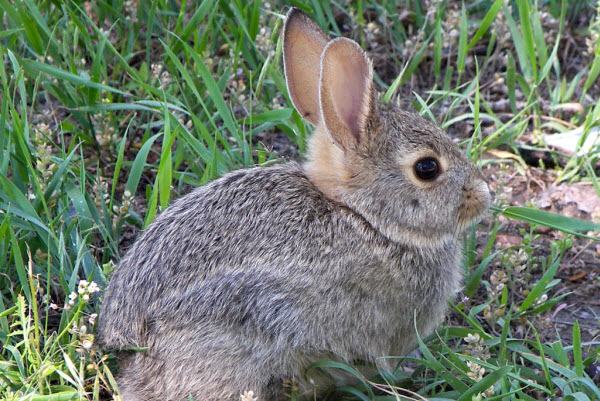
Rabbits are a popular companion pet, not only in houses with backyards, but also in apartments and other places without access to the outdoors. As a mobile vet, I have been into several apartments with rabbits housed in fantastic enclosures and also running free around the home.
With domestication and especially in these kinds of environments, it is essential to have the appropriate diet to ensure they are kept in good body condition and, importantly, for general dental health.
Unfortunately, the advice many people give about what rabbits can eat is leaving some beloved pets susceptible to poor health and dental disease.
Going into people’s homes allows me to really assess how these pets are being cared for and give the best possible advice on their appropriate care.
If you remember one thing alone about rabbit husbandry make sure it is that they eat grass! Lots and lots of grass! Their gut is designed to break down the fibrous content of grass and plants, and they get all the nutrients they need. Remember, amazingly, they even eat their own poo, which gives them even more ability to extract every little nutrient out of their diet as possible. They do this mostly at night, so you usually don’t see it (thankfully!).
“If you remember one thing about rabbit care, it’s this: grass and hay should form the bulk of their diet.”
Two of the most common foods that are incorrectly recommended as good for your rabbit are commercial pellets and mixes with seeds and grains etc. The pellets were originally designed for laboratory animals to plump them up and to make feeding easier. Unfortunately, these animals don’t usually live as long as our pet counterparts, so any negative effects of these foods aren’t often seen.
Pellets generally have too high an energy content, which can cause obesity, and often the calcium is too high as well. There are newer pellet products from companies such as Oxbow, which are of much better quality for a pet rabbit, but should only be used as a supplement or treat rather than as the majority of the diet.
Bags of mixes are not a natural diet for rabbits and can be extremely hazardous to their teeth. Rabbits on a seed mix diet are susceptible to developing tooth abscesses, which can cause nasty problems, including inappetence, pain, weight loss and even death. Often these abscesses are hard to treat; sometimes the best option is to remove the tooth if it is possible, and other times long-term antibiotics are required. Rabbits’ teeth continually grow, and chewing fibrous grasses and hays ensures that they stay in good condition.
“Many dental problems in rabbits are directly linked to incorrect feeding, particularly diets high in pellets or seed mixes.”
So what are the best foods for pet rabbits? If you have a backyard, ideally they should be allowed to graze on the grass, as well as being provided with a good-quality hay, for example, Timothy, Oaten, Pasture or Meadow hay. These should be in permanent supply. If you don’t have grass outside, good-quality hay is fine, and fresh grass clippings are also fine if you can get some. These grasses and hays should comprise around 80% of their diet. Steer well away from Lucerne or Clover hays, which are too high in protein and calcium.
Vegetables and leafy greens are also excellent sources of nutrients and should make up the rest of the diet. Examples include broccoli, cabbage, spinach, carrot tops, Asian greens, and herbs such as basil, parsley, coriander, dill, and other leafy greens.
Rabbits can be fed “treats”, but keep these to a minimum. Treats include fruits and root vegetables, such as sweet potato and carrot, and rabbit pellets, such as Oxbow products, but really only a small amount per day. Remember also to ensure that they have permanent access to water, and if grazing outside, they must have access to shade, especially in the hotter weather.
There are many aspects to proper rabbit husbandry and maintaining health, so I suggest you ensure you have good-quality reference material for more information – two excellent websites are Boing and The House Rabbit Society. If you’re not sure whether something you’re doing is Ok then don’t hesitate to contact me to discuss anything, and I’m also more than happy to provide a house call and help you with your rabbit’s general health.
Don’t forget that a mobile vet coming into your home is a great way to get an excellent assessment of how your pets are in their own environment. Rabbits make great pets in the right homes, but remember that they have special requirements and need lots of attention, just like all the other cats, dogs, and furry pocket pets!
In-home care forms the foundation of how we treat and manage your pet’s health. Most conditions can be assessed, treated, and monitored in a familiar environment where pets are calmer and easier to handle. Available to residents of Sydney’s inner city, Inner West, Eastern Suburbs and the Lower North Shore.


First visit from Ari and Ellie and it went beyond all expectations. They were so genuinely interested in my two cats. Of course I couldn’t stop talking about them but they clearly were not bored. Did excellent health checks and vaccinations – was an absolute pleasure and I would totally recommend them to anybody. So fabulous having no stress of lugging…
Elle’s exceptionally professional, warm, and helpful phone manner, together with Dr Ari’s prompt arrival, gentle approach with Hudson, and clear, thorough medical explanations and recommendations, immediately put my mind at ease. The high level of care and professionalism demonstrated confirmed that contacting VETaround was the right decision.
Ari is the best vet ever. His home visits are incredible. Such a great service to not have to put your beloved pets in the stressful situation of a car. Or around sick pets in a waiting area. My cats LOVE HIM. Ollie my male cat NEVER comes out of hiding when visitors come over. With Ari, he not only came out, let him weigh him, have his check up done…
I was very pleased with the ladies from VETaround Mobile vet. Professional, polite and very knowledgeable. Certainly eased my mind about my cat 🐈 would recommend them to anyone needing good veterinary care for their pet. We all know just how important our four legged friends are!
A rabbit’s diet should consist mainly of grass or high-quality hay, which should be available at all times. These fibrous foods support gut function and help maintain proper tooth wear. Vegetables and leafy greens can make up the remaining portion of the diet.
Pellets should not be the main food source for rabbits. Many pellets are high in energy and calcium, which can contribute to obesity and other health issues. They are best used in small amounts as a supplement or occasional treat.
Rabbits’ teeth grow continuously, and chewing fibrous hay helps keep them worn down naturally. Without enough fibre, teeth can overgrow, leading to serious problems. This can include painful abscesses that are often difficult to treat.
Seed mixes are not a natural diet for rabbits and can harm their dental health. These foods do not provide the fibre needed for proper tooth wear. Over time, this can lead to dental disease and other complications.
Leafy greens and vegetables such as broccoli, cabbage, spinach, carrot tops, and herbs can be included in a rabbit’s diet. These should complement, not replace, grass or hay. Variety is useful, but the overall balance of the diet remains important.
A mobile vet can assess how your rabbit is being housed and fed in its usual environment. This allows for practical advice tailored to your setup, including your enclosure, feeding routine, and available food sources. Small adjustments can make a significant difference to long-term health.


