
"People often link appetite to quality of life. That's a big misconception. If a pet's eating well, I don't let that influence my assessment, because eating alone doesn't mean they're fine."
Dr Ari Ende
Mon / Fri 7:30 am - 7 pm | Sat 9 am - 4 pm
Quality of life is something I consider throughout an older pet’s life, not just when end-of-life decisions are near. By noticing discomfort, reduced mobility or changes in behaviour early, I can offer more options to support your pet’s wellbeing.
I often hear, “They’re just getting old.” While it’s true that older animals slow down, ageing can also hide pain or problems that we can manage and treat.
I remember examining an 18-year-old cat with severe periodontal disease, very little body condition and swollen joints. While her owners saw an old cat, I saw an animal whose pain had gone unnoticed.
Cats are especially good at hiding pain, and dogs may simply become quieter rather than showing obvious signs of discomfort. This is why I always assess the whole animal, not just one symptom, when considering quality of life.
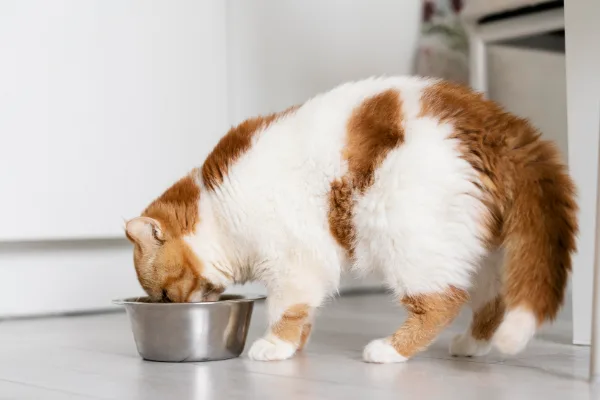
Many owners tell me, “She’s still eating,” as reassurance that their pet is well. While appetite is important, eating well does not always mean a pet is free from pain, weakness or a reduced quality of life.
When a pet is eating well, I note that as a positive sign and then look at everything else. I have seen many pets continue to eat with enthusiasm, even as they lose muscle, struggle to get up or move very little.
If we wait until a pet stops eating, we may have missed months of gradual decline that became normal simply because it happened slowly.
"People often link appetite to quality of life. That's a big misconception. If a pet's eating well, I don't let that influence my assessment, because eating alone doesn't mean they're fine."
Dr Ari Ende
Quality of life is unique to each animal. A 12-year-old Greyhound who has always loved relaxing on the couch may still be content doing just that. In contrast, a once-active Kelpie who can no longer follow their owner across the room presents a different picture.
I encourage owners to reflect on how their pet is now compared to five or ten years ago. Can your pet still do the things they have always enjoyed? Are they still interested in being part of family life?
Can your pet move comfortably enough to reach their food, water and toilet area? Do they still enjoy touch, play or grooming? Mental well-being is just as important. Even if a pet does not show obvious pain, they may become frustrated, withdrawn or unable to take part in their usual routines.
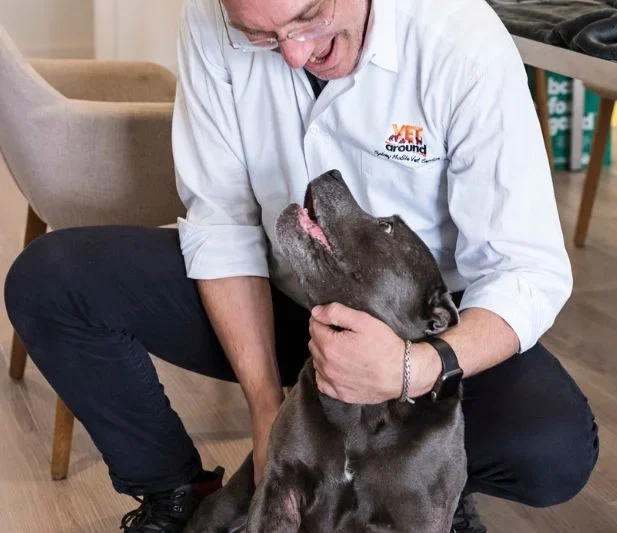
Spending time with your pet each day is one of the most valuable things you can do. Patting, grooming and gently running your hands over their body can help you notice new lumps, muscle loss, sensitivity or a reaction in a particular area.
Watch how your pet gets up and settles down. Notice if they hesitate before walking, stop grooming certain areas or change how they eat. Pay attention to any changes in toileting, too.
An arthritic cat may find a high-sided litter tray difficult to use. A dog may need extra time or help to reach their toileting area. Sometimes, a flatter tray or a grass patch on a balcony can make a real difference.
These adjustments are practical, but they are not always long-term solutions. If a pet repeatedly soils themselves or cannot toilet without distress, it is time to reconsider their quality of life.
Regular veterinary assessment is one of the most important parts of maintaining quality of life. Many problems go unnoticed because animals do not always show clear signs of pain.
For many senior dogs and cats, a health check every six months is more helpful than waiting a full year. Pets with chronic illness, reduced mobility or palliative care needs may benefit from more frequent reviews.
During an examination, I assess body condition, muscle loss, joints, dental health, lumps and other physical changes. Blood tests can also help establish a baseline before starting or adjusting medication.
I can collect blood and other samples during suitable home visits and arrange for them to be tested at a commercial laboratory. When medication is needed, I can usually provide it during the consultation.
Home visits remove the need for travel and the stress of an unfamiliar clinic, which can help many older, unwell or anxious pets. When needed, a team member assists with calm handling so you are not left trying to restrain your pet during the examination.
"One of the biggest things with quality of life is really regular check-ups."
Dr Ari Ende
Not every plan needs to address everything at once. I often see older, overweight pets with arthritis and poor muscle condition.
When a long list of changes feels overwhelming, I start with the step most likely to help. This might mean focusing on weight loss together with appropriate pain management. The same principle applies at home. Short, manageable movement may be better than a long walk. Your pet may need help with grooming, and food, water and bedding may need to be easier to reach.
Just because a pet is old does not mean there is nothing we can do to help. At the same time, not every possible treatment will be right for every animal.
My role is to understand how your pet feels, explain what I observe and help you make a realistic plan for their care.
Quality of life is not about keeping a pet alive at any cost. It is about recognising discomfort early, protecting the parts of life your pet still enjoys and knowing when support is no longer enough.
In-home care forms the foundation of how we treat and manage your pet’s health. Most conditions can be assessed, treated, and monitored in a familiar environment where pets are calmer and easier to handle. Available to residents of Sydney’s inner city, Inner West, Eastern Suburbs and the Lower North Shore.


First visit from Ari and Ellie and it went beyond all expectations. They were so genuinely interested in my two cats. Of course I couldn’t stop talking about them but they clearly were not bored. Did excellent health checks and vaccinations – was an absolute pleasure and I would totally recommend them to anybody. So fabulous having no stress of lugging…
Elle’s exceptionally professional, warm, and helpful phone manner, together with Dr Ari’s prompt arrival, gentle approach with Hudson, and clear, thorough medical explanations and recommendations, immediately put my mind at ease. The high level of care and professionalism demonstrated confirmed that contacting VETaround was the right decision.
Ari is the best vet ever. His home visits are incredible. Such a great service to not have to put your beloved pets in the stressful situation of a car. Or around sick pets in a waiting area. My cats LOVE HIM. Ollie my male cat NEVER comes out of hiding when visitors come over. With Ari, he not only came out, let him weigh him, have his check up done…
I was very pleased with the ladies from VETaround Mobile vet. Professional, polite and very knowledgeable. Certainly eased my mind about my cat 🐈 would recommend them to anyone needing good veterinary care for their pet. We all know just how important our four legged friends are!
Pain may appear as slower movement, difficulty rising, reduced grooming, withdrawal, or reluctance to be touched. Cats are particularly likely to conceal discomfort, so gradual behaviour changes can matter more than crying or limping. The signs are often subtle enough to go unnoticed. That is why more regular vet checks are so important for senior pets.
Eating is only one part of assessing a pet’s quality of life. A dog or cat may continue eating as normal while experiencing pain, muscle loss, poor mobility or reduced interest in normal activities.
Many senior pets should have a veterinary examination about every six months. More frequent assessments may be appropriate for pets with chronic illness, mobility problems or changing palliative care needs.
Watch for difficulty rising, reduced interaction, muscle loss, toileting problems, poor grooming and changes in normal routines. Compare your pet to their earlier self rather than to another animal of the same age.
A mobile vet can examine your pet’s mobility, body condition, joints, teeth, lumps and general demeanour in their familiar environment. Where appropriate, VETaround can also collect blood or other samples and provide commonly used medications during the visit.
Practical changes can make daily life easier, depending on the cause of the problem. These may include weight management, appropriate pain relief, shorter movement sessions, and easier access to bedding or a low-sided litter tray.


