
“Nervousness in dogs can lead to ongoing behavioural issues if not properly understood and managed.”
Mon / Fri 7:30 am - 7 pm | Sat 9 am - 4 pm
Mon / Fri 7:30 am - 7 pm | Sat 9 am - 4 pm
As dog owners, we all want to provide the best care for our furry friends.
So when they start displaying nervousness – whether it’s from a visit to the vet or when you leave them at home alone – it can be incredibly distressing.
Whilst it’s normal for dogs to experience anxiety from time to time, left untreated, it can cause a host of unwanted destructive behaviours that can stay with them over their lifetime.
The good news is that nervousness in dogs can be treated.

Just like humans, dogs can experience anxiety. It’s a normal primal response to potential danger that can affect all dog breeds.
There are a number of tell-tale signs that you can look for in your dog:
The best approach for treating nervousness in your dog is to talk with your vet. They can help in a number of ways, including to:
If your dog experiences anxiety visiting a veterinary practice, you should try using a mobile vet service, like Vetaround. This can help to reduce any stress inducing responses, allowing you to get expert advice and support in the comfort of your home.
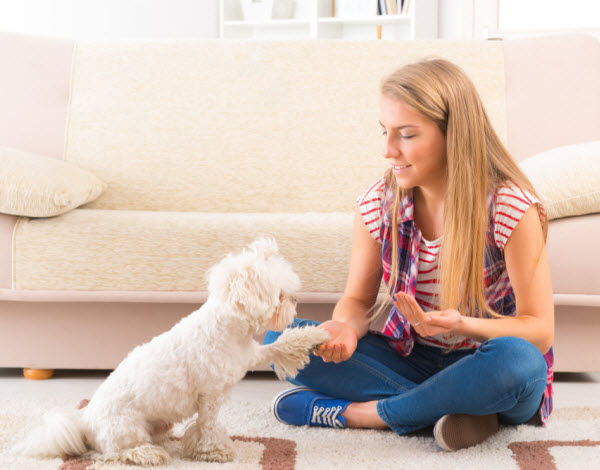
Separation anxiety is a common cause of nervousness in dogs. Being left alone in the house can be incredibly distressing – especially for a young puppy.
That’s why it’s crucial to introduce effective training strategies early on.
It might feel difficult at first, but leaving your puppy for short periods of time every day is the best strategy to start.
Make sure they have access to a safe, secure space or crate with water and toys.
Each day you can increase the period of time you leave. This will help your puppy to gain confidence in being alone and prevent nervousness as he or she grows.
Separation anxiety isn’t exclusive to puppies. All dogs can experience it at any age.
If that is the case for your dog, here are some helpful training strategies you can use:
“Nervousness in dogs can lead to ongoing behavioural issues if not properly understood and managed.”
Working from home and being around your dog can seem like a dream come true for many dog owners. However, for your dog the sudden change of routine can feel disruptive and overwhelming.
Here are some helpful training strategies to consider when you start working from home:
“Simple changes to routine and environment can help reduce anxiety and support more balanced behaviour.”
Treating your dog for nervousness will ultimately help them to lead a more confident and comfortable life. With the support of a qualified vet you can introduce strategies and treatments to effectively treat their anxiety.
Vetaround Sydney Mobile Vet Service provides high quality, comprehensive and personalised pet veterinary care in the comfort of your own home. This can be particularly helpful if your dog gets anxious visiting a vet practice.
Contact us today to discuss how we can help treat nervousness in your dog.
In-home care forms the foundation of how we treat and manage your pet’s health. Most conditions can be assessed, treated, and monitored in a familiar environment where pets are calmer and easier to handle. Available to residents of Sydney’s inner city, Inner West, Eastern Suburbs and the Lower North Shore.


First visit from Ari and Ellie and it went beyond all expectations. They were so genuinely interested in my two cats. Of course I couldn’t stop talking about them but they clearly were not bored. Did excellent health checks and vaccinations – was an absolute pleasure and I would totally recommend them to anybody. So fabulous having no stress of lugging…
Elle’s exceptionally professional, warm, and helpful phone manner, together with Dr Ari’s prompt arrival, gentle approach with Hudson, and clear, thorough medical explanations and recommendations, immediately put my mind at ease. The high level of care and professionalism demonstrated confirmed that contacting VETaround was the right decision.
Ari is the best vet ever. His home visits are incredible. Such a great service to not have to put your beloved pets in the stressful situation of a car. Or around sick pets in a waiting area. My cats LOVE HIM. Ollie my male cat NEVER comes out of hiding when visitors come over. With Ari, he not only came out, let him weigh him, have his check up done…
I was very pleased with the ladies from VETaround Mobile vet. Professional, polite and very knowledgeable. Certainly eased my mind about my cat 🐈 would recommend them to anyone needing good veterinary care for their pet. We all know just how important our four legged friends are!
Dogs may show anxiety through behaviours such as excessive barking, pacing, hiding or destructive activity. Physical signs can include panting, trembling or a tucked tail. These behaviours can vary depending on the situation and severity.
Start by leaving your dog alone for short periods and gradually increase the duration. Providing a safe space with toys and familiar items can help them feel more secure. Regular exercise before leaving may also reduce restlessness.
Yes, changes in routine can be disruptive for some dogs. Maintaining a consistent schedule for feeding, exercise, and rest can help them adjust. Providing a dedicated space for your dog to settle while you work can also support calmer behaviour.
If anxiety-related behaviours are ongoing, worsening or affecting your dog’s wellbeing, it is worth seeking veterinary advice. A vet can help identify triggers and rule out underlying medical conditions. They can also guide you on appropriate management strategies.
Gradual exposure to triggers, consistent routines and positive reinforcement can all support behaviour improvement. Avoid reinforcing anxious behaviour by keeping departures and arrivals calm. Providing toys for stimulation can also help redirect focus.
Yes, a mobile vet can assess your dog in your home environment, which may reduce stress compared to a clinic visit. This allows for observation of behaviour in familiar surroundings. It can also make handling more controlled during the consultation.


