
“Tick paralysis can progress quickly, which is why early detection and removal are critical.”
Mon / Fri 7:30 am - 7 pm | Sat 9 am - 4 pm
Mon / Fri 7:30 am - 7 pm | Sat 9 am - 4 pm
Whenever the weather heats up, it becomes a problem for many of my patients.
There are over 70 species of ticks in Australia, but the paralysis tick is the most dangerous one for your pet. When the paralysis tick feeds on your pet, it injects a toxin-containing saliva.
This toxin can induce allergic reactions or even cause paralysis and death within 2-4 days of attaching itself to your pet.
So it’s vitally important you understand how to prevent and search for ticks on your pet and how to remove them. It’s also good to know the symptoms of tick poisoning and how to safely remove them.
Search your pet for ticks every day. Search your pet thoroughly for ticks at least once a day. A mobile vet can come to your home and show you how to thoroughly examine your animal for ticks and the best way to remove a tick.
The paralysis tick is usually about 2–10 millimetres long and can be black, brown or tan, but may also appear blue or grey when engorged with blood. Use your fingertips to feel through your pet’s coat, checking for lumps or bumps on the skin’s surface.
While most ticks are found on the face, neck and ears, it’s still important to search your entire pet. Start at your pet’s nose and work your way back over his entire body, ending with the tail.
Remember to remove collars, and search in the ear, the eyes and lids, under the front legs, between each toe and examine all skin folds.
“Tick paralysis can progress quickly, which is why early detection and removal are critical.”
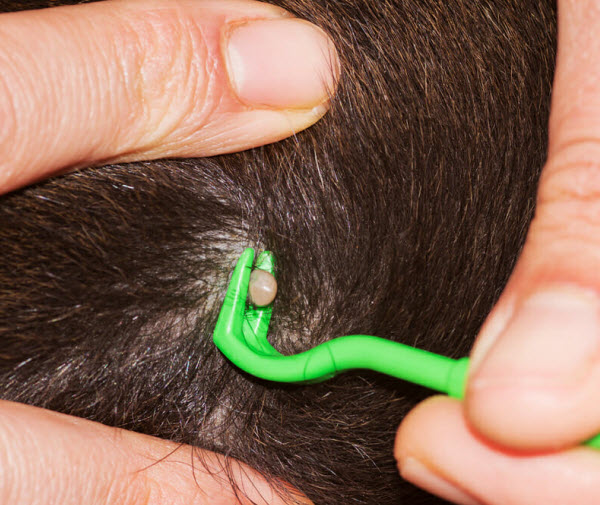
If you find a tick, it should be removed immediately.
The best way to remove a tick is with a tick remover. This is a little plastic device that slides under the tick. Then, when you carefully rotate the tick remover, the tick will come out intact, head and all.
Don’t try to kill the tick with chemicals like kerosene or mentholated spirits, any form of alcohol, matches or petroleum jelly, as these can also cause the tick to release more toxins.
If you are unsure of how to remove a tick safely yourself, call us, and we’ll come to your place and remove it for you.
“A thorough daily tick check is one of the most effective ways to protect your pet.”
Call a mobile vet immediately if your pet shows any of the following signs:
Tick paralysis is a fast-acting condition that is potentially fatal and requires immediate veterinary attention. While you are waiting for the vet to arrive, keep your pet calm and comfortable, search for and remove any ticks, and do not feed your pet any water or food.
To prevent ticks, apply a good quality spot-on as directed by the manufacturer. Ask us about the best spot for your pet. Be aware that many tick prevention products for dogs are highly toxic for cats, so never use them on or around cats.
You can reduce the risk to your pet by:
Please call us if you would like a mobile vet to help you protect your pet from potentially fatal tick paralysis by showing you how to prevent, find and remove ticks.
In-home care forms the foundation of how we treat and manage your pet’s health. Most conditions can be assessed, treated, and monitored in a familiar environment where pets are calmer and easier to handle. Available to residents of Sydney’s inner city, Inner West, Eastern Suburbs and the Lower North Shore.


First visit from Ari and Ellie and it went beyond all expectations. They were so genuinely interested in my two cats. Of course I couldn’t stop talking about them but they clearly were not bored. Did excellent health checks and vaccinations – was an absolute pleasure and I would totally recommend them to anybody. So fabulous having no stress of lugging…
Elle’s exceptionally professional, warm, and helpful phone manner, together with Dr Ari’s prompt arrival, gentle approach with Hudson, and clear, thorough medical explanations and recommendations, immediately put my mind at ease. The high level of care and professionalism demonstrated confirmed that contacting VETaround was the right decision.
Ari is the best vet ever. His home visits are incredible. Such a great service to not have to put your beloved pets in the stressful situation of a car. Or around sick pets in a waiting area. My cats LOVE HIM. Ollie my male cat NEVER comes out of hiding when visitors come over. With Ari, he not only came out, let him weigh him, have his check up done…
I was very pleased with the ladies from VETaround Mobile vet. Professional, polite and very knowledgeable. Certainly eased my mind about my cat 🐈 would recommend them to anyone needing good veterinary care for their pet. We all know just how important our four legged friends are!
If you find a tick, remove it as soon as possible with a proper tick removal tool. This helps ensure the tick is removed intact without increasing toxin release. If you are unsure, a mobile vet can come to your home and remove it safely.
Use your fingertips to feel for small lumps or craters in your pet’s coat. Pay close attention to the face, neck, ears, under the legs and between the toes. A full body check each day is recommended during tick season.
Early signs can include changes in bark or voice, weakness in the back legs, and reduced coordination. As the condition progresses, pets may develop breathing difficulties or paralysis. These symptoms require immediate veterinary attention.
No, chemicals such as alcohol, kerosene or petroleum jelly should not be used. These can cause the tick to release more toxin into your pet. A proper tick removal tool is the safest option.
A paralysis tick can cause serious symptoms within 2 to 4 days of attaching. The toxin builds over time and can lead to paralysis if not addressed. This is why daily checks and early removal are so important.
Regular use of a quality tick prevention product helps reduce risk. Keeping grass short and avoiding high-risk areas during warmer months can also help. Daily checks remain an important part of prevention.


