
“What appears to be a small number of fleas often means there are thousands more in the environment.”
Mon / Fri 7:30 am - 7 pm | Sat 9 am - 4 pm
Mon / Fri 7:30 am - 7 pm | Sat 9 am - 4 pm
VETaround mobile vet in Sydney is committed to first-class and comprehensive pet care… and it starts with the essentials.
Our at-home vet can advise and help you with all aspects of flea and tick control, because while they may be small, these pests can be your dog or cat’s biggest irritant.
To ensure your pet is pest-free and comfortable – summer and all year round – it’s very important to stay on top of flea and tick control.
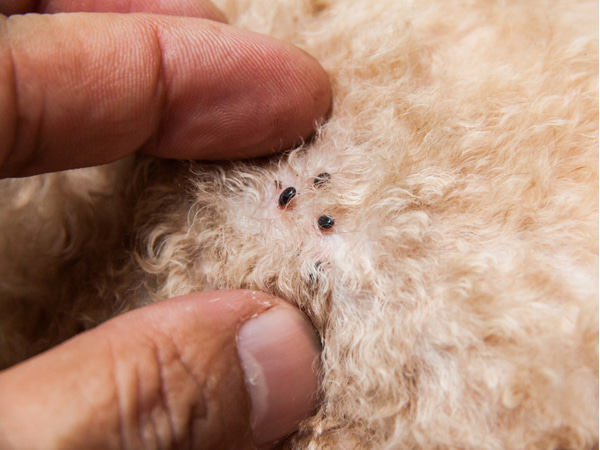
While the extent of flea irritation can vary enormously, pet owners should realise that any dog or cat without flea control will likely pick up fleas at some stage. Some pets tolerate a small number of fleas without any issue. For others, even a few fleas can be highly irritating. Dogs and cats may also be allergic to fleas, which can lead to major skin issues if left untreated.
The main flea we see on our pets is the cat flea, which lives on both dogs and cats. Adult fleas jump on your pet’s skin and bite, and feed on their blood. Their faeces contain digested blood, and these are the small black dots you will notice on an infected animal’s coat.
Adult fleas breed on your pet and produce eggs, which fall into the environment. They hatch into larvae, form pupae, and hatch into young adults. These fleas begin to feed on your animal – and the cycle starts again.
Without effective flea control, flea populations explode. So, what seemed like one flea can quickly become an infestation. For your dog or cat, this can be annoying at best. Irritated skin and a constant itch may also lead your pet to scratch excessively, further damaging their skin.
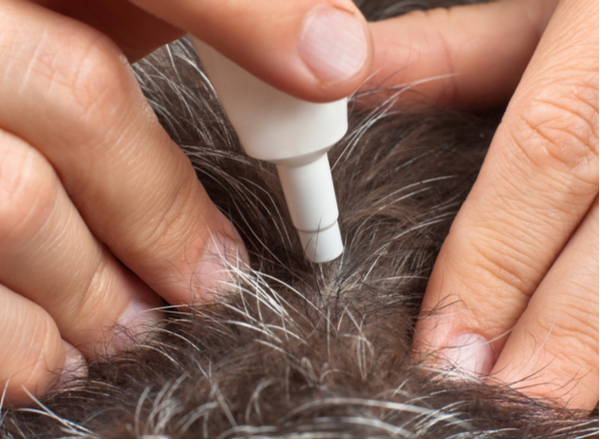
If you see one or two fleas on your pet, you can be sure there are thousands of eggs and larvae in the environment. What this means is that effective flea control consists of treating both your dog or cat with a high-quality product and treating your home.
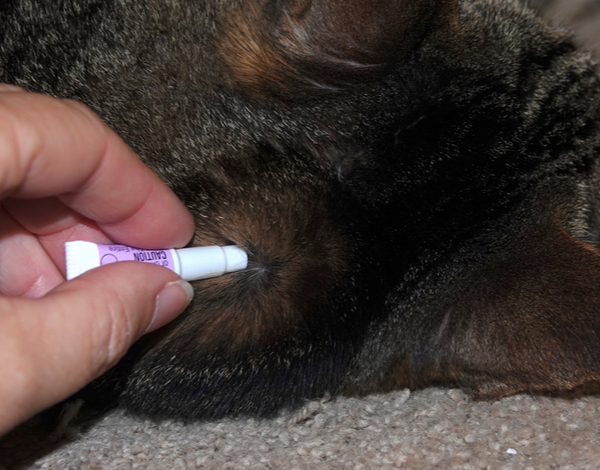
Most of the products our Sydney mobile vet recommends require monthly applications. You can use a pipette to apply it to the back of your pet’s neck, or you could opt for oral products. Some products treat fleas alone, and others combine fleas, intestinal worms, and heartworms into a single monthly treatment.
Generally, VETaround recommends treating fleas monthly for life. This means not stopping in winter! Fleas are still present in the form of pupae that hibernate over the cooler months. When spring arrives, so do new fleas, and numbers can escalate before you’ve had a chance to restart your pet’s flea control.
The best way to control fleas in the environment is to keep pet bedding clean and washed and to regularly vacuum and dust your home.
One option for large flea populations is a ‘flea bomb’ or surface spray. It is very important to ensure the one you use contains an insect growth regulator (IGR) to control both eggs and larvae. Without this, the treatment will be ineffective.
Ensure you follow all instructions very carefully. Surface sprays with IGRs are useful under or behind furniture, as the bombs sometimes don’t reach these places. In some cases, you might also consider hiring a professional pesticide company to treat your home, inside and out. To be effective, you must ensure they use an IGR.
Have questions about flea control? Our Sydney mobile vet can chat to you on his next visit. Or call us for recommendations on the best products for your pet.
“What appears to be a small number of fleas often means there are thousands more in the environment.”

Ticks can be incredibly dangerous for your pet, so tick awareness is absolutely essential.
Ticks are typically found in natural bush areas, both along the coast and inland. Their natural host is the bandicoot. Traditionally, we haven’t encountered a lot in Sydney’s inner or eastern suburbs. Anecdotal reports of dogs contracting ticks in the eastern suburbs suggest this may be changing.
Both nymphs and adults can jump onto a dog, gorge on blood, then jump off. The most dangerous is the adult female tick, which causes tick paralysis.
Clinical signs of tick paralysis can occur within a few days of engorging. They range from weakness that starts in the back legs and progresses to all four limbs, to difficulty breathing, to a groaning sound when breathing or barking, to an altered meow, to vomiting and regurgitation of food or water. Dogs may seem out of character or pant more than usual. Cats will often be reluctant to move around at all, may have trouble breathing and often have very wide eyes.
If you notice any of these signs, seek veterinary attention immediately. If left untreated, many or most of these animals will die, often within 24 hours of the first clinical signs.
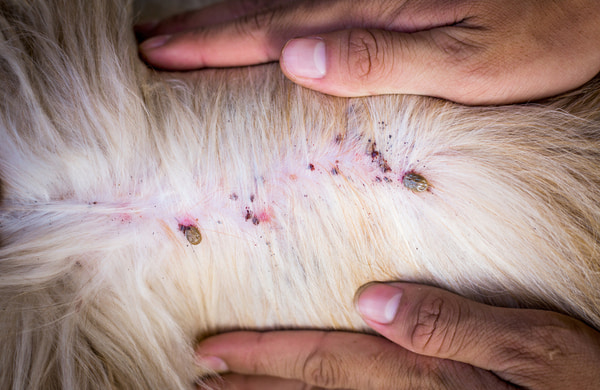
It’s essential that you use a quality tick control product, especially if heading into bushland. You should also check for ticks daily, as no product is 100% effective.
To check for ticks on your dog or cat, slowly move your fingertips against the fur from head to tail. About 70% of ticks attach from the chest forward, so concentrate on this area first. Remember to check the ears, under the lips, between the toes and other nooks and crannies, including the anus (or you can leave this one to our mobile vet!).
Ticks are generally brown, teardrop-shaped and around the size of an apple seed. Once they feed, they change to grey or white, are more rounded, and they may expand to about 1cm long. You will likely notice a small, round bump on your pet’s skin where the tick has attached itself.
“Tick paralysis can progress quickly, so early recognition and action are critical.”
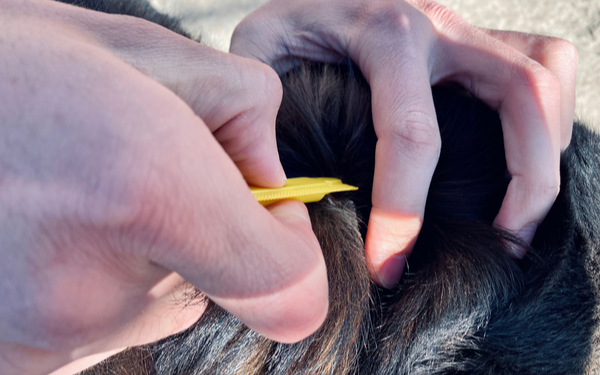
Ticks attach very firmly to your pet’s skin. To remove, grasp the tick and firmly pull it sideways. There are also devices available that make removal much easier.
Ticks bury their heads into a pet’s skin, and ideally, you want to remove the whole tick, including the buried head. Don’t stress if you’re unable to remove the head, as no more toxin will be released. If you are unsure how to remove a tick, please call our mobile vet immediately.
There are a number of effective products for tick prevention, most commonly pipettes that you apply to the back of the neck fortnightly, or tablets.
If you choose to treat your dog or cat for ticks while at home in the eastern suburbs or inner Sydney, it’s vital that you follow the instructions carefully and administer exactly as specified. If you apply less frequently than directed, it will not protect your pet.
If you’re unsure about any aspect of flea and tick control, our home visit vet can help. Contact us for advice or to book a consultation.
In-home care forms the foundation of how we treat and manage your pet’s health. Most conditions can be assessed, treated, and monitored in a familiar environment where pets are calmer and easier to handle. Available to residents of Sydney’s inner city, Inner West, Eastern Suburbs and the Lower North Shore.


First visit from Ari and Ellie and it went beyond all expectations. They were so genuinely interested in my two cats. Of course I couldn’t stop talking about them but they clearly were not bored. Did excellent health checks and vaccinations – was an absolute pleasure and I would totally recommend them to anybody. So fabulous having no stress of lugging…
Elle’s exceptionally professional, warm, and helpful phone manner, together with Dr Ari’s prompt arrival, gentle approach with Hudson, and clear, thorough medical explanations and recommendations, immediately put my mind at ease. The high level of care and professionalism demonstrated confirmed that contacting VETaround was the right decision.
Ari is the best vet ever. His home visits are incredible. Such a great service to not have to put your beloved pets in the stressful situation of a car. Or around sick pets in a waiting area. My cats LOVE HIM. Ollie my male cat NEVER comes out of hiding when visitors come over. With Ari, he not only came out, let him weigh him, have his check up done…
I was very pleased with the ladies from VETaround Mobile vet. Professional, polite and very knowledgeable. Certainly eased my mind about my cat 🐈 would recommend them to anyone needing good veterinary care for their pet. We all know just how important our four legged friends are!
Flea control needs to be consistent because eggs and larvae remain in the environment. Treating only when fleas are visible allows the lifecycle to continue. Monthly treatment helps prevent infestations from building.
Yes, effective flea control involves both the animal and the environment. Eggs and larvae develop in bedding, carpets and hidden areas. Without treating these, fleas will continue to reappear.
Some pets tolerate small numbers, but others are very sensitive. Flea allergies can lead to significant irritation and skin damage. Even minimal exposure can trigger ongoing issues in these animals.
Early signs often include weakness starting in the back legs and changes in breathing. Pets may also seem quieter than usual or show vomiting or regurgitation. These signs can progress quickly and require immediate attention.
Daily checks are recommended, especially if your pet has been in bush or grassy areas. Most ticks attach around the head, neck and chest. A slow, thorough check helps identify them early.
Fleas remain in the environment even during cooler months in the form of pupae. When conditions warm up, they emerge and reproduce quickly. Continuous prevention reduces the risk of sudden infestations.


