
“Dachshunds are affectionate and intelligent dogs, but their long spine means careful handling and ongoing health monitoring is essential.”
Mon / Fri 7:30 am - 7 pm | Sat 9 am - 4 pm
Mon / Fri 7:30 am - 7 pm | Sat 9 am - 4 pm

Affectionately but unflatteringly referred to as ‘sausage dogs’, Dachshunds are small dogs with big, beautiful personalities. Initially bred as hunting dogs, Dachshunds are equally at home on a comfy sofa… and they make wonderful family pets.
Distinguished by their short legs, long body, tapering face and floppy ears, Dachshunds are affectionate and adorable, but they need training, attention and care to ensure they are well behaved, happy and healthy.
Here’s the VETaround guide to Dachshunds, and six essential facts about dachshunds that every prospective owner should know.
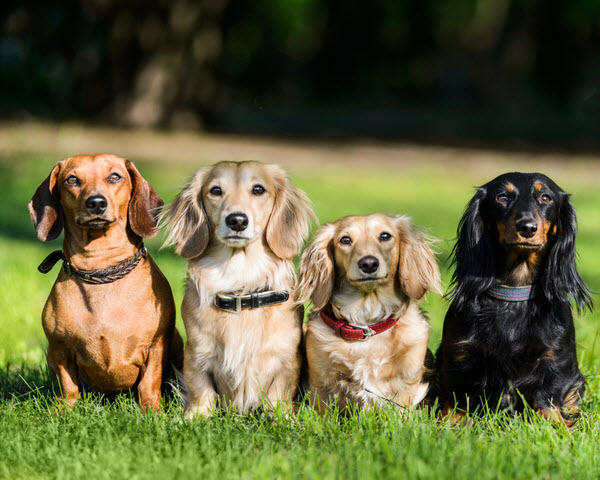
And we mean that in more ways than one! Dachshunds can have one of three different coats – long, wire and smooth – and there are two sizes – standard and miniature. The standard stands between 18 and 25cm tall and weighs 7 to 14.5kg. The miniature dachshund is shorter and, if a healthy weight, should be no more than 5kg.
The smooth coat dachshund has short, smooth fur over the entire body; the long coat has long feathering on the ears, underline and tail; and the wire coat has short and rough fur, and often a beard and bushy eyebrows.
There are also multiple colour varieties. Coats can include black, cream, grey, dapple, fawn and tan, brindle, blue and tan (the ‘blue’ is a bluish-grey) and wild boar, a mixture of brown and gold. And a dachshund’s eye colour can be amber, green or brown, and dapple dachshunds sometimes have different coloured eyes, such as a combination of blue and brown, brown and green or green and blue.
“Dachshunds are affectionate and intelligent dogs, but their long spine means careful handling and ongoing health monitoring is essential.”
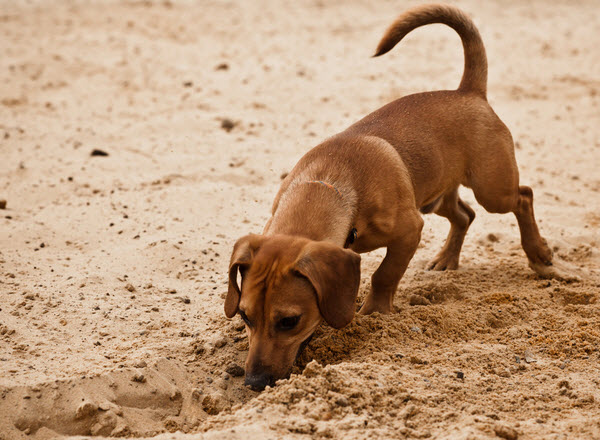
As the name suggests, the dachshund likely originated in Germany hundreds of years ago where breeders adopted it to hunt badgers. ‘Dachs’ is German for ‘badger’ and ‘hund’ translates as ‘dog’.
The three varieties emerged at different times, with the smooth-haired being the first and apparently a mixture of a miniature French pointer and a pinscher. While they may look quirky, the dachshund’s short, stout legs are ideal to dig into burrows. Miniature dachshunds were specifically bred to hunt hares and ferrets.
Other moments in dachshund history? Queen Victoria was a fan and kept dachshunds. A dachshund named Waldi was the official mascot of the first modern Olympics (the 1972 Summer Olympics in Munich). And Dachshunds fell out of favour in some countries during the two world wars due to their German origins. Their popularity soon returned and they are now a firm family favourite.
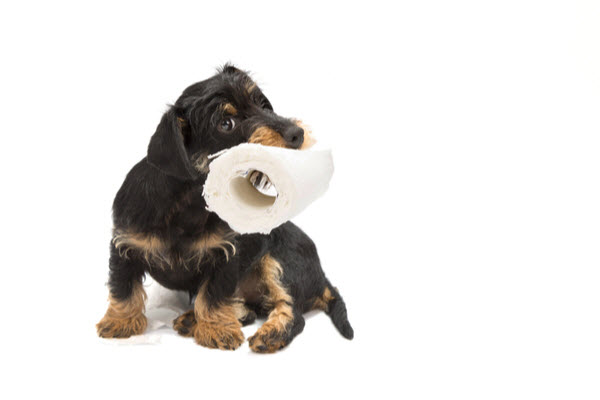
While small, Dachshunds are smart, courageous and curious, and they are prone to barking. Given their natural hunting instincts, dachshunds may try and dominate other animals and they can also be very wary of strangers.
Socialisation and training are absolutely essential from a young age to ensure your dachshund is comfortable with children, household visitors and other animals. Temperaments of course can vary between dogs and, some suggest, between varieties
Some dachshund owners believe the long-coat is calmer than the smooth-coat variety, and the wire-coat is more boisterous and playful.
With their origins, it’s also no surprise that dachshunds love to dig, so if you have a garden, be prepared!
“While small in size, dachshunds are active, curious and require regular exercise and early training to stay well balanced.”
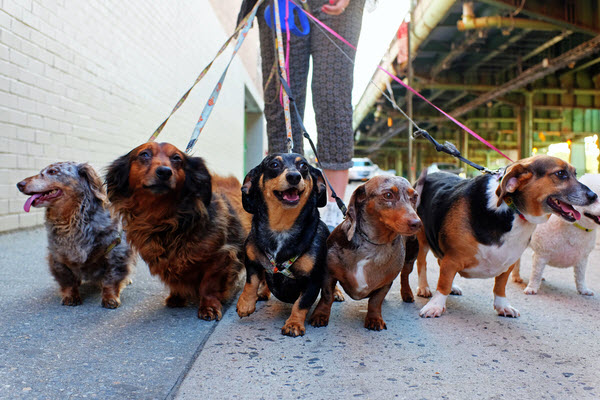
Dachshunds are suitable as both house and apartment pets, but regular exercise is important.
While they will quite happily curl up next to you for hours, they are much more active than they look. A daily walk and/or trip to the dog park will help them stay fit and healthy.
Dachshunds do like to chase, so we recommend a leash until they are very well trained.
Dachshunds are average shedders and quite easy to groom. The smooth-coat dachshund needs an occasional brush only, while a daily brush and comb is best for long-coats. We recommend clipping the wire-coat dachshund twice a year.
With regular exercise, annual health checks and lots of love, Dachshunds may live up to between 12 and 16 years old and sometimes even older.
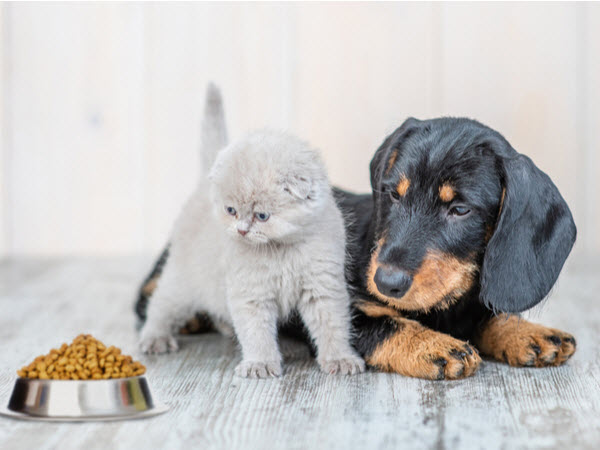
While they may look cute, the Dachshund’s long, low shape is due to a short rib cage and very long spinal column, so they can be prone to some orthopaedic issues such as prolapsed discs or brittle bone disease. To help keep your dog safe, ensure they avoid steps and that they never jump on or off furniture.
Other potential issues include patellar luxation, which is where the kneecap can become dislodged, Cushing’s Syndrome, hereditary epilepsy, and eye issues including cataract, glaucoma and cherry eye.
Dachshunds love food, and obesity is sometimes an issue, so it’s very important to stay on top of weight management. Like every dog, dachshunds need regular pet vaccinations, dental assessments and an annual health check to keep them in good health and catch any potential issues early.

We sometimes get asked if Daschunds are good with kids. The short answer is yes. Dachshunds can be excellent with children and become very attached to family members, and usually one family member in particular.
One thing to remember is that in addition to dog training, you will need to teach your children to handle your dachshund carefully so as not to accidentally hurt their back.
Dachshunds are intelligent, loyal and affectionate, and they can make great watchdogs – and a loving member of the family – if trained and treated well.
So, you’ve seen the facts about dachshunds and are ready to bring one home? Then our team is here to help with first-class in-home veterinary services.
Our Sydney mobile vet provides high-quality and comprehensive vet care, including annual health checks, pet vaccinations, flea and tick prevention, dental assessments and weight management. And we partner with a clinic to provide comprehensive in-hospital vet services including desexing and orthopaedic surgery.
Please contact us if you need quality and compassionate care for your dachshund… in the comfort of your own home.
In-home care forms the foundation of how we treat and manage your pet’s health. Most conditions can be assessed, treated, and monitored in a familiar environment where pets are calmer and easier to handle. Available to residents of Sydney’s inner city, Inner West, Eastern Suburbs and the Lower North Shore.


First visit from Ari and Ellie and it went beyond all expectations. They were so genuinely interested in my two cats. Of course I couldn’t stop talking about them but they clearly were not bored. Did excellent health checks and vaccinations – was an absolute pleasure and I would totally recommend them to anybody. So fabulous having no stress of lugging…
Elle’s exceptionally professional, warm, and helpful phone manner, together with Dr Ari’s prompt arrival, gentle approach with Hudson, and clear, thorough medical explanations and recommendations, immediately put my mind at ease. The high level of care and professionalism demonstrated confirmed that contacting VETaround was the right decision.
Ari is the best vet ever. His home visits are incredible. Such a great service to not have to put your beloved pets in the stressful situation of a car. Or around sick pets in a waiting area. My cats LOVE HIM. Ollie my male cat NEVER comes out of hiding when visitors come over. With Ari, he not only came out, let him weigh him, have his check up done…
I was very pleased with the ladies from VETaround Mobile vet. Professional, polite and very knowledgeable. Certainly eased my mind about my cat 🐈 would recommend them to anyone needing good veterinary care for their pet. We all know just how important our four legged friends are!
Yes, a mobile vet can carry out annual health checks for dachshunds in your home environment. This includes physical examinations, weight monitoring, and general health assessments. Being assessed at home can help reduce stress and provide a clearer picture of your dog’s condition.
Dachshunds are prone to orthopaedic issues due to their long spine, including prolapsed discs. Other potential concerns include patellar luxation, eye conditions such as cataracts, and hormonal conditions like Cushing’s Syndrome. Regular monitoring helps identify issues early.
Dachshunds require daily exercise to stay healthy and maintain a stable weight. This can include walks or time at the dog park. Because they have a strong instinct to chase, they should remain on a leash until properly trained.
Dachshunds can live comfortably in apartments if their exercise needs are met. They are active dogs and benefit from consistent daily movement and stimulation. Early training is also important to manage barking and social behaviour.
Dachshunds can be prone to weight gain, so portion control and regular monitoring are important. Maintaining a healthy weight reduces strain on the spine and joints. A vet can assess body condition during routine health checks.
Yes, vaccinations and dental assessments can be performed during a mobile vet visit. These form part of routine preventative care to maintain overall health. Regular checks help detect issues before they progress.


