
“Not all species are naturally compatible, and some combinations carry clear risks.”
Mon / Fri 7:30 am - 7 pm | Sat 9 am - 4 pm
Mon / Fri 7:30 am - 7 pm | Sat 9 am - 4 pm
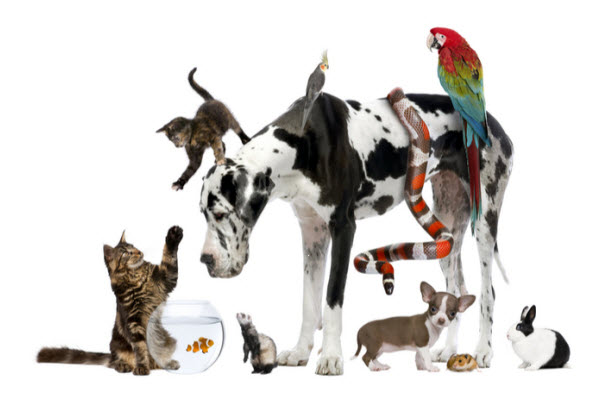
Being a big city vet is not just about caring for cats and dogs. In fact many of my clients are surprised at the diversity of animals that I treat in an urban environment.
Yes, animals from many species can happily cohabit, but there are some basic steps you need to follow to ensure all your pets are safe and happily.
Always check with your local council, State government or the Australian Government first before buying a pet, remembering that rules vary according to where you live. However, as a basic rule, most breeds of the following species are legal to keep as pets: dogs, cats, pigs, cattle, goats, horses, mules, ass, sheep, rabbits, hares, mice, rats, deer and even camels ….but you’d need a pretty large backyard if you’re considering a camel!
With birds and fish it depends on the breed as to whether you can keep them as a pet or not. More exotic species such as reptiles, hybrid cats, many native animals, primates, llamas and alpacas, ferrets, golden hamsters are either illegal or they require a special licence.
But remember to always check first as heavy fines can apply!!
While there are always exceptions to the rule, there are usually problems with keeping these different species of pets together in the same household.

Cats with fish/birds and/or rodents. Unless you know your bird/rat/mouse is safely caged at all times and your fish tank is totally enclosed on inaccessible, don’t even think about this combination. In the wild they are naturally predator and prey.
Various sizes and breeds of birds cohabiting in a small cage can be very stressful for smaller birds and they may self harm themselves.
Rabbits and guinea pigs. Rabbits carry bacteria that could cause a serious respiratory disease in guinea pigs and they also sometimes bully guinea pigs.
Ferrets and small mammals and/or birds. Ferrets are carnivores and they’re fast. Quick movement by small mammals can trigger a predator-prey instinct and they may find a way to wiggle into your bird cage when you’re not there.
Reptiles and other pets. Reptiles, especially snakes, might attempt to prey upon your pet birds or rodents, and they also carry salmonella, which can infect other animals (and humans).
“Not all species are naturally compatible, and some combinations carry clear risks.”
Although cats and dogs are the most common pet species that happily cohabit, this usually only works well if they have grown up together or if both the cat and the dog have had early socialisation with kittens or puppies.
In nature, most dogs (especially hunting breeds) are hard-wired to chase small, furry, rapidly moving animals..which is exactly what most cats are. And because cats are very territorial, they can often terrorise and harm exuberant young puppies!
Basically, if dogs and cats are not used to the other species they will need to be carefully introduced to each other and supervised for quite some time before you can trust them alone together. But if properly introduced, they do often form lifelong friendships.

Even if you’re introducing the same species to each other you need to do it slowly and carefully….and always under supervision. Older animals, in particular, may find puppies or kittens threatening and annoying. And every pet has their own unique personality and every situation is different.
It would be absolutely devastating if you had to rehome one of your pets, or if one of them was traumatised, injured, or even the unthinkable worse case scenario… killed by your other pet.
If you’re thinking about introducing another species to your home but you’re in anyway unsure, a mobile vet can help. Before you decide on a new pet we can come and assess temperament of your existing pet and your home environment to help you decide whether the combination of species you’re considering will ensure all of your pets will be safe and secure.
And even if you already have a new addition but you’re at all worried about how your pets are interacting with each other or you’d just like some practical advice on how to introduce them to each other, we can also come and help out with that too.
Sadly, just like humans, some pets are just never going to get along. Sometimes getting to a point of tolerance may be your best case scenario, rather than becoming best buddies.
But with a little guidance and the right forward planning, you never do know… and your pets may end up becoming as close as Kasper and Pan the goats and their little menagerie of chickens and ducks.
“Careful introductions and supervision are essential for pets to live safely together.”
In-home care forms the foundation of how we treat and manage your pet’s health. Most conditions can be assessed, treated, and monitored in a familiar environment where pets are calmer and easier to handle. Available to residents of Sydney’s inner city, Inner West, Eastern Suburbs and the Lower North Shore.


First visit from Ari and Ellie and it went beyond all expectations. They were so genuinely interested in my two cats. Of course I couldn’t stop talking about them but they clearly were not bored. Did excellent health checks and vaccinations – was an absolute pleasure and I would totally recommend them to anybody. So fabulous having no stress of lugging…
Elle’s exceptionally professional, warm, and helpful phone manner, together with Dr Ari’s prompt arrival, gentle approach with Hudson, and clear, thorough medical explanations and recommendations, immediately put my mind at ease. The high level of care and professionalism demonstrated confirmed that contacting VETaround was the right decision.
Ari is the best vet ever. His home visits are incredible. Such a great service to not have to put your beloved pets in the stressful situation of a car. Or around sick pets in a waiting area. My cats LOVE HIM. Ollie my male cat NEVER comes out of hiding when visitors come over. With Ari, he not only came out, let him weigh him, have his check up done…
I was very pleased with the ladies from VETaround Mobile vet. Professional, polite and very knowledgeable. Certainly eased my mind about my cat 🐈 would recommend them to anyone needing good veterinary care for their pet. We all know just how important our four legged friends are!
Different species can live together, but compatibility depends on behaviour, size and natural instincts. Some animals have predator-prey relationships that make cohabitation risky. Careful planning and supervision are essential to reduce potential harm.
Cats with birds, rodents or fish, as well as reptiles with smaller animals, often present challenges due to natural hunting instincts. Rabbits and guinea pigs can also have health and behavioural conflicts. These combinations require strict separation or may not be suitable at all.
Cats and dogs can live together, particularly if they are introduced early or grow up together. Without prior exposure, dogs may chase cats, and cats may respond defensively. Gradual introductions and supervision are important before leaving them alone together.
Introduce pets slowly and under supervision to allow them to adjust to each other. Older pets may find younger animals overwhelming, so controlled interactions are important. Each animal’s personality will influence how well the process goes.
Risks include injury, stress, disease transmission and behavioural conflict. Some animals may never fully accept another species, even with careful management. Planning ahead helps avoid situations where rehoming becomes necessary.
A vet can assess your existing pet’s temperament and your home environment before introducing another animal. This helps identify potential risks and suitability. Practical guidance can also support safer introductions once a new pet arrives.


