
“Excess weight in pets isn’t just about appearance—it can contribute to serious health issues including diabetes, arthritis and reduced mobility.”
Mon / Fri 7:30 am - 7 pm | Sat 9 am - 4 pm
Mon / Fri 7:30 am - 7 pm | Sat 9 am - 4 pm
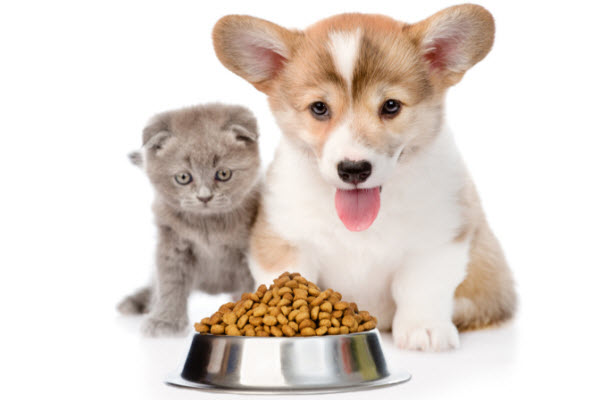
Pembroke Welsh Corgi puppy with kitten sitting with a bowl of puppy food
While we all love a pet with character, a chubby dog or cat isn’t always something to smile at. What some pet owners might think of as ‘rounded’ may actually be animal obesity… and it’s something that could be a sign of, or lead to, serious health issues.
At VETaround, our mobile vet sees clients every day who love and adore their animals, but who aren’t always aware that an extra kilogram or two in weight could actually be causing harm.
We know that your pets mean the world to you. As an owner, it’s up to you to play your part and look after them as best you can. So here’s our guide to animal obesity and the four key facts you should know.
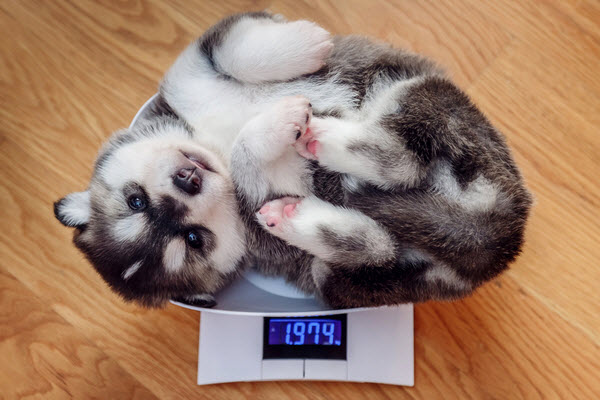
It’s surprisingly common for pets to suffer from weight gain and obesity, so much so that many pet owners aren’t even aware their pets are obese.
If you’re unsure, one way to check is to take a good look at their shape. With dogs for instance, in most cases you should be able to see their waist when viewed from above, feel their ribs if you push gently along their ribcage (they should have some fat covering this area), and their abdomen should be taught and not hanging down.
We would also recommend you talk to our mobile vet who can give you the recommended healthy weight range for your animal’s age and breed. It’s the best way to confirm if your dog, cat, bunny or any other pet is at their optimum weight.
“Excess weight in pets isn’t just about appearance—it can contribute to serious health issues including diabetes, arthritis and reduced mobility.”
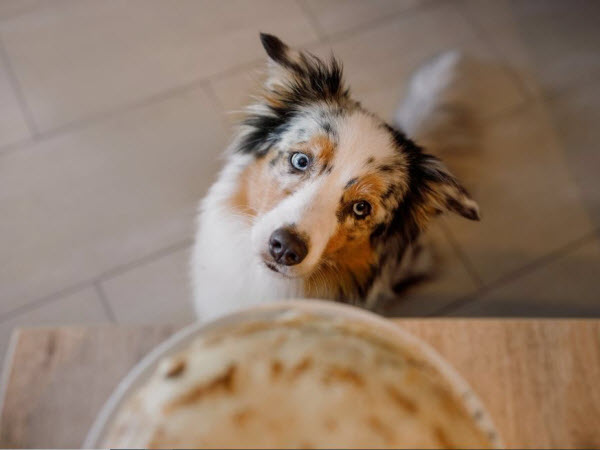
There are quite a few factors that might lead to weight gain in your pet.
In some cases, it could be a symptom related to an underlying health issue. Some breeds including dachshunds, beagles and basset hounds may be more prone to weight gain. Desexing can contribute to weight gain in pets because once a pet is desexed they need less food day-to-day. However, the health benefits of desexing are substantial for many pets. Each case is different so ask us for advice if you’re unsure how this applies to your pet.
Hands down the most common cause of animal obesity is overfeeding. It’s very easy to forget how small their tummies are and how little food your pet really needs. That’s why it’s very important to read the instructions on pet food carefully, or to speak to our home visit vet to get a tailored feeding plan that best suits your furry friend.
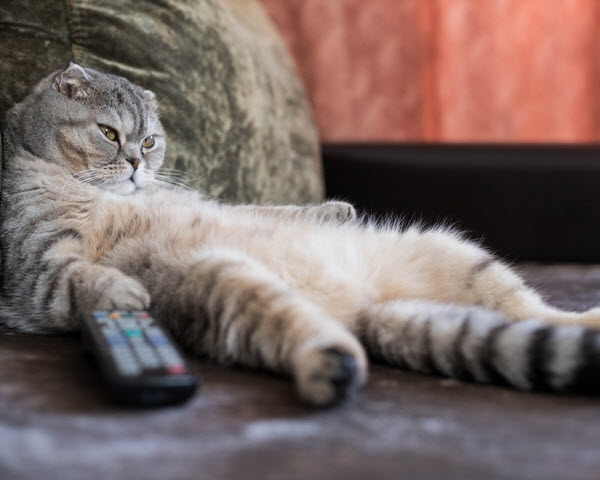
Animal obesity isn’t just about appearance. It can have a flow on affect, and that’s where the problems really lie. To start with, excess weight will make it harder for your pet to exercise, which only makes the issue worse.
Crucially, excess weight in dogs, cats and other family pets may lead to serious issues including heart failure and diabetes. It can contribute to issues including arthritis, urinary tract problems, skin conditions, poor general health and lethargy. Obese pets are also at greater risks of side effects associated with anaesthesia and surgery should they need an operation.
Above all, overweight animals aren’t going to feel their best. We all want our pets to be healthy and happy, so it is important to stay on top of weight management.
“Overfeeding is the most common cause of animal obesity, often without owners realising how little food their pet actually needs.”
Fortunately, animal obesity is something that we may be able to help you with. Our home visit vet can provide nutritional advice, tailor a weight control program, recommend products and assess and monitor your pet at their next consultation or annual health check. If your dog or cat needs to lose weight, our program gives you a step-by-step guide for weight loss.
Our at-home vet services in Sydney will help your pet reach and maintain a healthy weight.
Please contact us to book in our home visit vet and help keep your pet happy and in great shape.
In-home care forms the foundation of how we treat and manage your pet’s health. Most conditions can be assessed, treated, and monitored in a familiar environment where pets are calmer and easier to handle. Available to residents of Sydney’s inner city, Inner West, Eastern Suburbs and the Lower North Shore.


First visit from Ari and Ellie and it went beyond all expectations. They were so genuinely interested in my two cats. Of course I couldn’t stop talking about them but they clearly were not bored. Did excellent health checks and vaccinations – was an absolute pleasure and I would totally recommend them to anybody. So fabulous having no stress of lugging…
Elle’s exceptionally professional, warm, and helpful phone manner, together with Dr Ari’s prompt arrival, gentle approach with Hudson, and clear, thorough medical explanations and recommendations, immediately put my mind at ease. The high level of care and professionalism demonstrated confirmed that contacting VETaround was the right decision.
Ari is the best vet ever. His home visits are incredible. Such a great service to not have to put your beloved pets in the stressful situation of a car. Or around sick pets in a waiting area. My cats LOVE HIM. Ollie my male cat NEVER comes out of hiding when visitors come over. With Ari, he not only came out, let him weigh him, have his check up done…
I was very pleased with the ladies from VETaround Mobile vet. Professional, polite and very knowledgeable. Certainly eased my mind about my cat 🐈 would recommend them to anyone needing good veterinary care for their pet. We all know just how important our four legged friends are!
You can assess your pet’s shape by looking for a visible waist from above and checking if you can feel their ribs with light pressure. Their abdomen should not hang down noticeably. These are general indicators, but a mobile vet can confirm a healthy weight range based on your pet’s breed and age.
Weight gain can be influenced by several factors, including breed tendencies, desexing, and underlying health conditions. However, overfeeding is the most common cause. Even small excess portions over time can lead to noticeable weight gain.
Desexing can reduce your pet’s daily energy needs, which means they may require less food than before. If feeding amounts are not adjusted, weight gain can occur. A home visit vet can help you understand how to modify feeding after desexing.
Excess weight can make it harder for pets to exercise, which often worsens the problem. It may also contribute to conditions such as diabetes, arthritis, urinary issues and heart problems. Overweight pets can also face higher risks during anaesthesia and surgery.
A mobile vet can assess your pet’s condition and provide tailored nutritional advice based on their needs. They can also create a structured weight control program and monitor progress during follow-up or annual health checks. This allows for ongoing adjustments as your pet’s condition changes.
A weight management program typically includes a step-by-step plan for controlled weight loss. This may involve adjusting feeding portions, recommending suitable products, and monitoring progress over time. Regular check-ins help ensure your pet is moving toward a healthy weight safely.


