
“A well-prepared home makes the transition easier for both you and your puppy.”
Mon / Fri 7:30 am - 7 pm | Sat 9 am - 4 pm
Mon / Fri 7:30 am - 7 pm | Sat 9 am - 4 pm
Getting a new puppy is a wonderful and exciting time for any family. Here are some great tips to help you prepare for your new arrival.
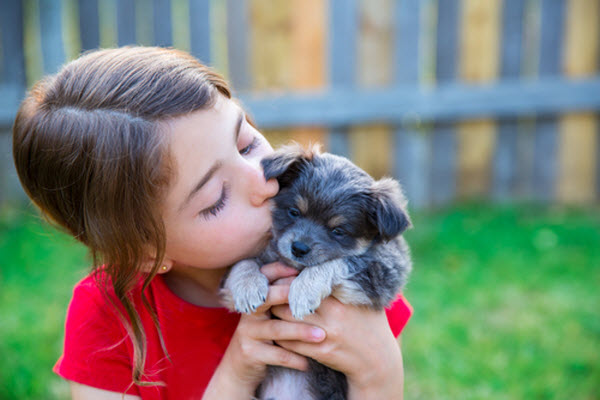
Arrange for a veterinary health check within the first 24 – 48 hours – that way, your vet can check your pup over and make sure everything is OK.
If there are any major health concerns, it’s best to know about them as soon as possible.
Your vet will also make certain the vaccination schedule and general care are optimised.
Mobile vets have the advantage that they can see your pup in your own home and give you smart advice about the best way to set up your house for the new arrival.
If your pup comes from a quality breeder, the chances are they will give you a strict feeding guide and a few days of food. The best way to avoid upset tummies is to stick to what the breeder was feeding for at least 3-5 days. Avoid extra treats which might look tasty but could cause diarrhoea.
At the health check, your vet will review the feeding guide and let you know if it’s nutritionally sound. Your vet will also explain how to gradually change your puppy’s diet if you want to.
Food and water bowls
Ceramic or stainless steel bowls are good because they are long-lasting, cannot be chewed and are very easy to clean. Bowls with heavy rubber bottoms are harder to spill or flip over.
A puppy crate is a safe place where you can leave your puppy and know that he can’t get into mischief when you can’t supervise him.
A crate also gives your puppy a secure place to rest away from the hustle and bustle of family life. It’s important to realise that the first few days of living with a new family away from mum, sisters, brothers and everything he knows are quite stressful for a pup. He needs a quiet place to rest and recover.
‘VetBed’ or “Dry Fleece” is a great option for bedding. It stays dry on top if your puppy has an accident, is machine washable, dries quickly and is durable and hard for puppies to chew through.
We suggest you don’t give your puppy free run of your entire house when you’re out or not watching them. A baby gate is a great barrier as long as the spaces between the bars are not too wide for him to squeeze through.
Newspaper or incontinence pads work well for your puppy to pee on when you’re not around to take him outside for the toilet.
“A well-prepared home makes the transition easier for both you and your puppy.”
Puppies are naïve, curious, active and destructive and can easily get themselves into trouble.
Remove everything at puppy level, such as electrical cords, low-hanging curtains or fabrics, remote controls, and shoes. Secure cupboards so he can’t get in, and make absolutely sure there are no little holes in the garden fences he can escape through.
“Early structure, routine and supervision help prevent problems before they start.”
Puppies love to chew. And, of course, they seem to like chewing i-phones, Jimmy Choo shoes, and TV remotes the most! You can encourage your puppy to chew his own toys by leaving these accessible at all times, but don’t leave too many out at once, or he’ll be too saturated with them.
The best chew toys are strong and durable. Kong is a good brand. You can use them ‘as-is’ or stuff them with dry puppy food. This makes the toy interactive, keeping your puppy occupied and happy.
A good collar and lead help you keep your puppy safely under your control when you’re out walking. Don’t use a choke chain. It’s better to train your dog to walk beside you than to strangle him with a chain when he pulls.
The collar should also have an ID tag with your mobile phone number(s). Your pet should already be microchipped, so ensure that these details are up to date. If your pet isn’t microchipped, it is essential to discuss this with your vet, who will chat to you about the options for this. In NSW, all dogs must be registered on a compulsory animal register.
Ok, now you’re ready for your puppy to arrive. Next time, we’ll chat about introducing him into your home and training.
In-home care forms the foundation of how we treat and manage your pet’s health. Most conditions can be assessed, treated, and monitored in a familiar environment where pets are calmer and easier to handle. Available to residents of Sydney’s inner city, Inner West, Eastern Suburbs and the Lower North Shore.


First visit from Ari and Ellie and it went beyond all expectations. They were so genuinely interested in my two cats. Of course I couldn’t stop talking about them but they clearly were not bored. Did excellent health checks and vaccinations – was an absolute pleasure and I would totally recommend them to anybody. So fabulous having no stress of lugging…
Elle’s exceptionally professional, warm, and helpful phone manner, together with Dr Ari’s prompt arrival, gentle approach with Hudson, and clear, thorough medical explanations and recommendations, immediately put my mind at ease. The high level of care and professionalism demonstrated confirmed that contacting VETaround was the right decision.
Ari is the best vet ever. His home visits are incredible. Such a great service to not have to put your beloved pets in the stressful situation of a car. Or around sick pets in a waiting area. My cats LOVE HIM. Ollie my male cat NEVER comes out of hiding when visitors come over. With Ari, he not only came out, let him weigh him, have his check up done…
I was very pleased with the ladies from VETaround Mobile vet. Professional, polite and very knowledgeable. Certainly eased my mind about my cat 🐈 would recommend them to anyone needing good veterinary care for their pet. We all know just how important our four legged friends are!
You should organise essential items such as bedding, food bowls, toys and a crate before your puppy arrives. It is also important to set up a safe, contained space where your puppy can rest. Preparing your home in advance helps reduce stress during the transition.
A veterinary health check should be arranged within the first 24 to 48 hours. This allows any early health concerns to be identified and ensures the vaccination schedule is appropriate. A mobile vet can assess your puppy in your home environment.
Stick with the same food provided by the breeder for at least three to five days. Sudden changes in diet can lead to digestive upset. Any transition to a new diet should be done gradually with guidance from your vet.
A crate provides a safe, controlled space where your puppy can rest and be contained when you’re not supervising. It also helps prevent destructive behaviour while your puppy adjusts to their new environment. Over time, it becomes a familiar and secure place.
Remove or secure items at puppy level, such as cords, shoes and small objects. Check fences carefully to ensure there are no gaps where your puppy could escape. Limiting access to certain areas helps reduce risk and damage.
Strong, durable toys are the safest option for puppies. Leaving a few toys accessible encourages appropriate chewing behaviour. Avoid offering too many at once, as this can reduce their effectiveness.


