
"Don't compare your pet to another pet. Compare them to who they used to be."
Dr Ari Ende
Mon / Fri 7:30 am - 7 pm | Sat 9 am - 4 pm
A common mistake owners make is dismissing slowing down or a loss of interest as simply “old age.” While it’s true that older pets sleep more and have less stamina, not every change is just aging. Too often, age is blamed for issues that signal something more.
Small changes on the surface can be the first signs of pain, illness or reduced quality of life. Because these changes often happen gradually, they become part of the routine. Families adjust without realising just how much their pet has changed.
That is why I tell people not to ask, “Is this normal for an old pet?” I think the better question is, “Is this normal for my pet?”
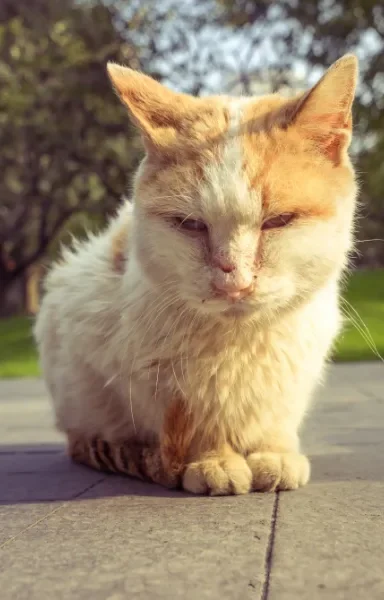
When I assess an older pet, I do not look for one dramatic sign. I look for a pattern.
Often it starts with movement. A dog that used to get up straight away now takes a few attempts. A cat that once moved easily around the house now avoids certain spots or chooses the easiest route. A pet that used to follow the family from room to room now stays put and watches.
This does not always tell me exactly what the problem is, but it does show me that something has changed.
I also pay close attention to body condition. Older animals can lose muscle very gradually. Owners see them every day, so that loss can be hard to spot until it becomes quite obvious. Sometimes the pet is getting thinner. Sometimes they still look solid, but when I examine them, I can feel they have lost muscle over the back legs, spine or shoulders.
Weight is another important factor. Many older pets carry more weight than is ideal, and that extra weight can worsen mobility problems. This is one of the reasons I take body condition seriously in senior animals. If an older dog is already struggling to get around, carrying extra weight only adds to the challenge.
"Don't compare your pet to another pet. Compare them to who they used to be."
Dr Ari Ende
Many owners expect illness to look dramatic, but in older pets, it is often much more subtle.
It can look like less enthusiasm. Less interest in getting up. Less interaction. Less tolerance. A pet may start spending more time alone or lose interest in activities they used to enjoy at certain times of day.
Not every behaviour change is a medical problem. Pets do change as they age. But when I see a shift in behaviour alongside changes in movement, weight, toileting, or sleep, I take it seriously and look for an underlying cause.
The mistake I often see is waiting for something unmistakable. Many older animals are uncomfortable long before they show obvious signs of distress.
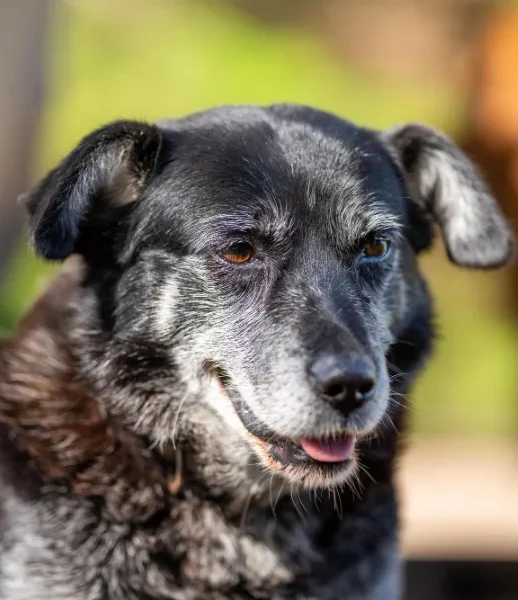
Changes in toileting are especially important to notice.
If an older dog starts having accidents in the house, needs to go out more often, struggles to posture, or seems unsettled around toileting, I want to know why. If an older cat starts toileting outside the litter tray, that also deserves proper attention.
Sometimes the issue is physical access. Arthritic cats may struggle with a high-sided tray. Older dogs may find steps, slippery floors or distance harder than they used to. Sometimes a simple environmental change helps.
Toileting changes can also point to pain, reduced mobility, cognitive change, urinary disease or other medical issues. These changes should not be written off as laziness, stubbornness or just old age.
"Age often comes with a decrease in quality of life, but that doesn't mean there's nothing we can do."
Dr Ari Ende
Changes in appetite or thirst are still important in older pets. If your dog or cat is eating less, drinking more, drinking less, becoming fussier, or taking longer to eat, that is worth noting.
The same goes for vomiting, diarrhoea, bad breath, dropping food, or suddenly seeming less comfortable at mealtimes.
What matters to me is not just whether a pet is eating. I want the fuller picture. Are they maintaining muscle? Are they moving well? Are they interacting normally? Are they toileting normally? Are they grooming themselves as usual?
Looking at one sign in isolation can be misleading.
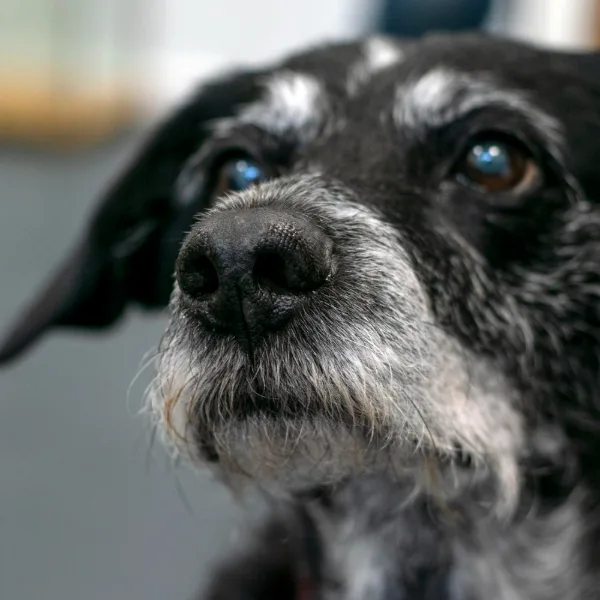
I sometimes hear owners say, quite proudly, that their older pet has not needed a vet for years. I understand why owners say this. If there has been no crisis, it can feel as though everything is going well.
In reality, the situation is often quite different. Some of the older pets I worry about most are those I see after a long gap. Changes often build slowly in the background, and families adjust step by step. By the time I am asked to assess the pet, there may already be several issues quietly affecting comfort and function.
This is one reason I recommend more frequent check-ups for older pets. In many cases, a health check every six months makes more sense than waiting a full year.
"Interaction with your pet every day is one of the most important things you can do."
Dr Ari Ende
You do not need to be medically trained to notice that something is off. One of the most useful things you can do is stay physically engaged with your pet. Run your hands over them. Brush them. Watch how they get up. Watch how they walk into another room. Notice whether they still settle comfortably, use the stairs the same way, or get into the litter tray without hesitation. That day-to-day contact helps you notice lumps, soreness, muscle loss and subtle behaviour changes earlier.
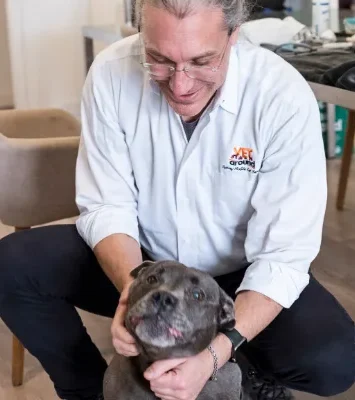
For older pets, especially those who find travel difficult or stressful, seeing them at home can also be very helpful. I can assess how they move in their normal environment, talk through the changes you have noticed, and, where appropriate, collect blood or plan further investigation. If medication is needed, that can often be provided as part of the consult, rather than sending you somewhere else first.
This approach matters for older, anxious or less mobile animals. It also makes things more practical for owners who want to provide proper care without turning the visit into a major ordeal.
Most age-related problems do not appear all at once. They develop gradually. That is why the small changes matter. The pet that no longer jumps up. The dog that takes longer to stand. The cat starts toileting beside the tray. The animal that has become quieter, slower or less engaged. None of those changes should automatically cause panic. But they should not be ignored either.
Just because a pet is old does not mean there is nothing I can do. Often, there is plenty I can do. The earlier I am asked to look, the better chance I have of working out what is going on and helping that pet stay more comfortable for longer.
In-home care forms the foundation of how we treat and manage your pet’s health. Most conditions can be assessed, treated, and monitored in a familiar environment where pets are calmer and easier to handle. Available to residents of Sydney’s inner city, Inner West, Eastern Suburbs and the Lower North Shore.


First visit from Ari and Ellie and it went beyond all expectations. They were so genuinely interested in my two cats. Of course I couldn’t stop talking about them but they clearly were not bored. Did excellent health checks and vaccinations – was an absolute pleasure and I would totally recommend them to anybody. So fabulous having no stress of lugging…
Elle’s exceptionally professional, warm, and helpful phone manner, together with Dr Ari’s prompt arrival, gentle approach with Hudson, and clear, thorough medical explanations and recommendations, immediately put my mind at ease. The high level of care and professionalism demonstrated confirmed that contacting VETaround was the right decision.
Ari is the best vet ever. His home visits are incredible. Such a great service to not have to put your beloved pets in the stressful situation of a car. Or around sick pets in a waiting area. My cats LOVE HIM. Ollie my male cat NEVER comes out of hiding when visitors come over. With Ari, he not only came out, let him weigh him, have his check up done…
I was very pleased with the ladies from VETaround Mobile vet. Professional, polite and very knowledgeable. Certainly eased my mind about my cat 🐈 would recommend them to anyone needing good veterinary care for their pet. We all know just how important our four legged friends are!
Persistent changes in mobility, weight, appetite, thirst, behaviour or toileting are worth paying attention to. The important question is whether your dog has changed from their normal.
Some reduction in activity can occur with age, but significant slowing should not be automatically dismissed. Difficulty standing, stiffness or reluctance to move may indicate pain or reduced mobility that needs assessment.
Older cats often rest more, but a noticeable change in activity can also occur with pain or illness. Cats can hide discomfort well, so reduced movement may be one of the few changes an owner notices.
Yes, unexplained weight or muscle loss deserves attention even when appetite remains normal. An older dog or cat can continue eating while experiencing health problems or a significant loss of muscle condition.
For many older pets, six-monthly health checks are more useful than waiting a full year between examinations. Pets with chronic conditions or noticeable changes may need more frequent assessment.
New toileting problems should not simply be assumed to be part of ageing. Pain, reduced mobility or difficulty accessing the usual toileting area can contribute, and other health problems may also need investigation.
Painful movement can cause an older pet to move less, interact less or stop doing activities they previously enjoyed. Because pets rarely communicate pain clearly, these behavioural changes can sometimes be mistaken for normal ageing.
Many senior pet health checks can be performed at home, including physical examination and appropriate monitoring. VETaround can also collect blood and other samples during suitable visits, while some further tests or procedures may require hospital care.


